Jammu Genocide
 admin
adminIf we are to remember the tragedy of one community, we must also confront the forgotten suffering of another.
In this compelling essay, veteran journalist Karan Thapar urges India to adopt a complete and honest memory of history in Jammu & Kashmir. While the 1990 exodus of Kashmiri Pandits is rightly condemned as an act of ethnic cleansing, Thapar reminds readers that the mass killings and displacement of Jammu’s Muslims in 1947—an atrocity of equal or greater scale—has been erased from public consciousness.
Core Message
The article insists that truth cannot be selective. To grieve for one injustice while ignoring another distorts not only history but also India’s moral foundation. Selective remembrance, Thapar argues, undermines the country’s unity and plural identity.
Key Insights
A Forgotten Genocide:
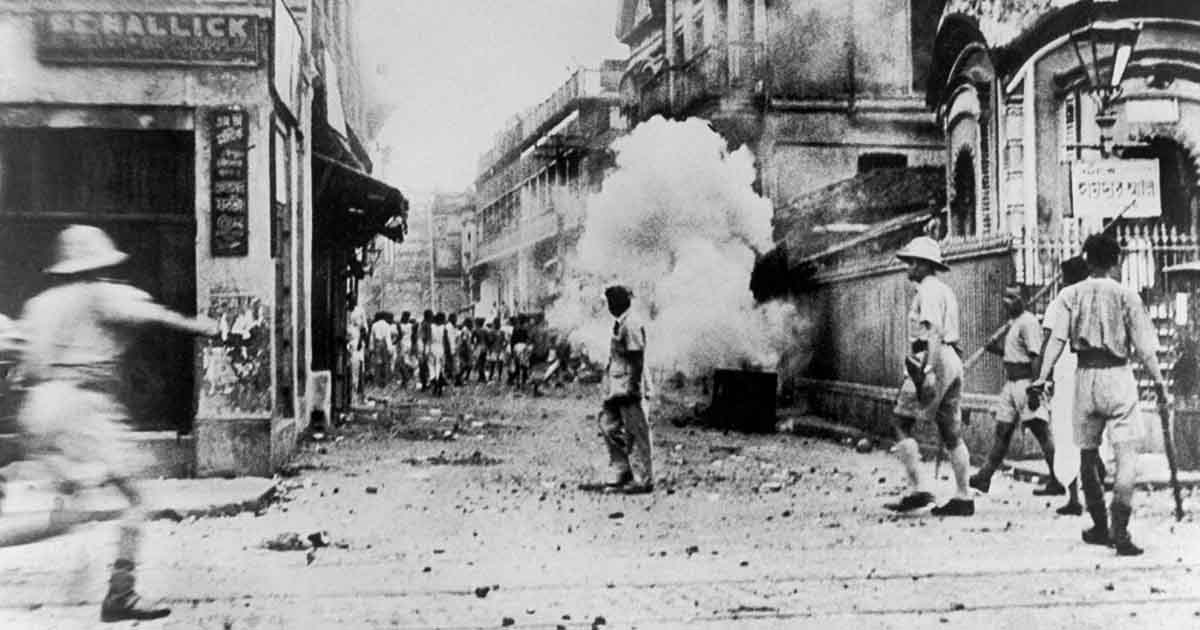
Historical accounts record that between 70,000 and 237,000 Muslims were killed in Jammu in 1947, with hundreds of thousands more expelled. Writers such as Horace Alexander, Christopher Snedden, and Swaminathan Aiyar describe it as one of the worst communal massacres of the Partition era.Contrasting Narratives:
Thapar clarifies that acknowledging the suffering of Jammu’s Muslims does not minimize the tragedy faced by the Pandits. Instead, it restores balance to a history that has been told selectively.Political Silence:
Former bureaucrat Wajahat Habibullah notes that Sheikh Abdullah, despite being Kashmir’s leading voice, chose not to highlight the 1947 massacre because Jammu’s Muslims had politically aligned with the Muslim League rather than his National Conference—illustrating how politics often suppresses conscience.A Call for Moral Consistency:
Remembering both tragedies, Thapar writes, is not merely about intellectual honesty; it’s about protecting India’s moral compass and ensuring that empathy extends to all communities.
In Essence
Karan Thapar’s essay is a reminder that national memory must be inclusive or it becomes injustice itself. True reconciliation requires confronting all parts of our past—without bias, without hierarchy of suffering, and without fear of what truth may reveal.