India Wins Freedom
 admin
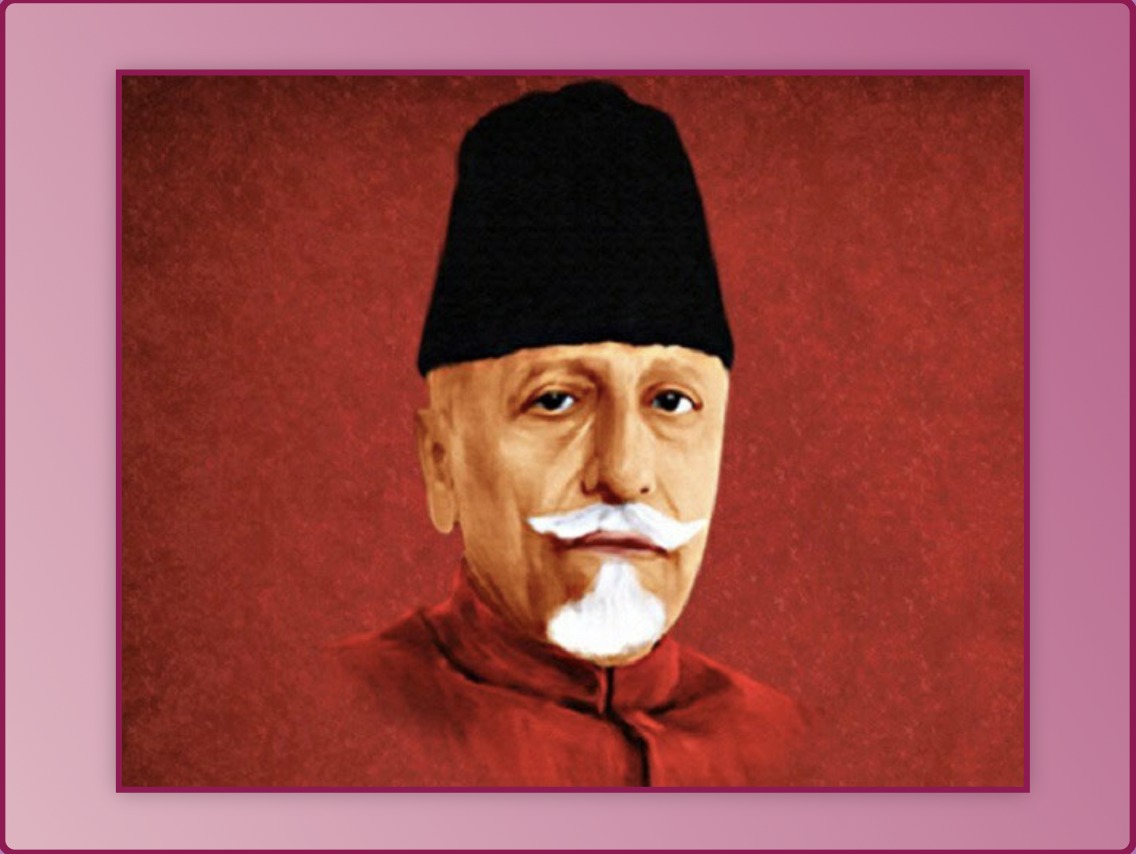
adminBy Humayun Kabir — on the life and legacy of Maulana Abul Kalam Azad
When Maulana Abul Kalam Azad — scholar, reformer, and one of the principal architects of India’s independence — was persuaded to record his life and experiences, he agreed not out of vanity but out of duty to history. The result was India Wins Freedom, one of the most significant first-hand accounts of India’s struggle for independence and the transfer of power from British to Indian hands.
In this preface, Humayun Kabir, Azad’s close associate and collaborator, recounts how the book came into being — and how its completion became a labor of love, shaped by Azad’s humility, precision, and deep sense of responsibility to posterity.
The Making of the Book
Azad was initially reluctant to write about himself. A man of introspection and modesty, he disliked speaking about his personal life. But Kabir persuaded him that, as a leader who had witnessed the making of modern India, he owed it to future generations to leave behind an authentic record of events and reflections.
Despite frail health, Azad devoted himself to the task. Each evening, Kabir would spend hours with him, taking notes as Azad spoke with clarity, warmth, and candor. Drafts were written in English under Azad’s direction, revised line by line, and often rewritten multiple times. Azad read and approved every chapter, ensuring that the narrative reflected his voice, values, and conscience.
Before the manuscript went to print, Azad chose to withhold about thirty pages of personal material, placing sealed copies in the National Library, Calcutta, and the National Archives, New Delhi — to be opened only at a later date.
Azad’s Vision Beyond the Book
The preface reveals more than the making of a memoir; it unveils Azad’s lifelong vision for unity and understanding. He saw his work not merely as political reflection, but as a moral bridge between communities.
Azad believed the foremost task of free India was to build harmony among its diverse peoples, and to nurture friendship with Pakistan. He viewed the Indian Council for Cultural Relations (ICCR) as an instrument for this cause. To further this mission, he directed that royalties from India Wins Freedom be used to fund two annual prizes — one for the best essay on Islam by a non-Muslim, and one on Hinduism by a Muslim — written by young scholars under thirty from India or Pakistan.
Faith in Dialogue and Integrity
Kabir’s preface also reveals Azad’s intellectual integrity. He allowed differences of opinion, encouraged open discussion, and never demanded agreement. Kabir recalls that Azad would often smile and say,
“These are my views — and surely I have the right to express them as I will.”
He recognized that truth could bear scrutiny, and that dissent was a sign of strength, not weakness.
A Legacy of Unity and Understanding
This preface stands as both a tribute and a testament — not only to Maulana Azad’s eloquence and scholarship, but to his unwavering faith in unity across religion, language, and borders. Even as his health failed, his concern was not for himself, but for the future of Indo-Pak harmony and for the next generation’s understanding of India’s plural heritage.
Azad’s vision remains timeless: that education, empathy, and dialogue are the surest paths to peace — and that no nation can claim freedom if its people are divided by fear or prejudice.