Zohra Ansari
 admin
adminVasthad Bi” — the affectionate name Mahatma Gandhi gave her — belonged to a generation of unsung heroes who shaped India’s freedom struggle not with power, but with sacrifice, intellect, and service.
Begum Zohra Ansari, born in Delhi, was the adopted daughter of renowned freedom fighters Dr. Mukhtar Ahmed Ansari and Begum Shamsunnisa Ansari, both prominent figures of India’s National Movement. Their home, Dar-us-Salam, was a hub of political and intellectual activity — a place where leaders like Mahatma Gandhi, Pandit Motilal Nehru, and the Ali Brothers gathered to discuss the country’s future.
Growing up amid such historic figures, Zohra developed a deep love for learning and service. She became fluent in Urdu, Arabic, Persian, and Hindi, and her intellectual curiosity soon led her to play her own unique role in India’s freedom story.
Highlights of Her Life and Legacy
Teacher to the Mahatma:
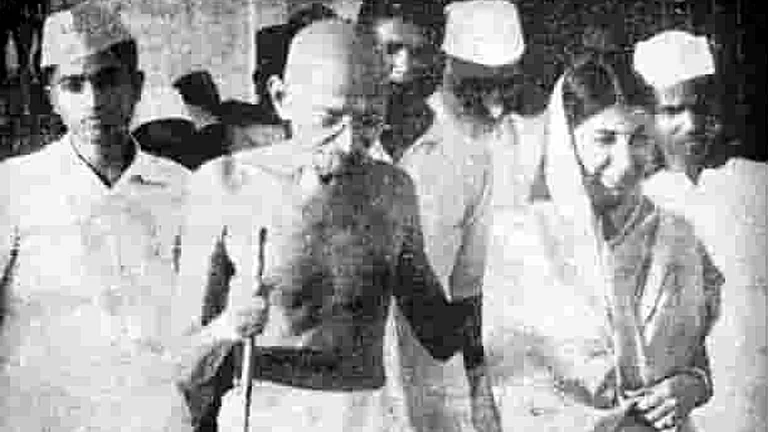
While serving at Gandhi’s Wardha Ashram, Zohra Ansari became his Urdu teacher. Gandhi fondly called her “Vasthad Bi” (meaning teacher) and “Beti” (daughter). Their letters reveal a warm relationship rooted in respect, learning, and shared ideals.Gandhi’s Confidence and Affection:
In a 1932 letter to Dr. Ansari, Gandhi mentioned that he eagerly awaited Zohra’s weekly letters — a testament to her intellect and his admiration for her spirit.Devotion to the Freedom Struggle:
Inspired by her parents, Zohra was eager to join the national movement and even requested Gandhi’s permission to go to jail for the cause — which he promised to grant in due time.A Life of Sacrifice:
Married to Dr. Shaukatulla Shah Ansari (1908–1972), a fellow nationalist, Zohra actively opposed the partition of India. To support the Indian National Congress, she sold her family home, Dar-us-Salam, and worked tirelessly for Congress candidates, standing firmly against the Muslim League’s separatist agenda.Post-Independence Simplicity:
After India’s independence, Begum Zohra Ansari chose a life of humility and continued her quiet service to society until her passing on 28 July 1988 in England.
Legacy
Begum Zohra Ansari’s life embodies the spirit of courage, intellect, and sacrifice that defined India’s freedom movement. Her story reminds us that the struggle for independence was not only fought on political frontlines, but also through personal sacrifice, education, and the unyielding pursuit of unity.
Her legacy continues to shine as a symbol of women’s leadership in India’s national awakening — and as the woman who once taught the Mahatma himself.